
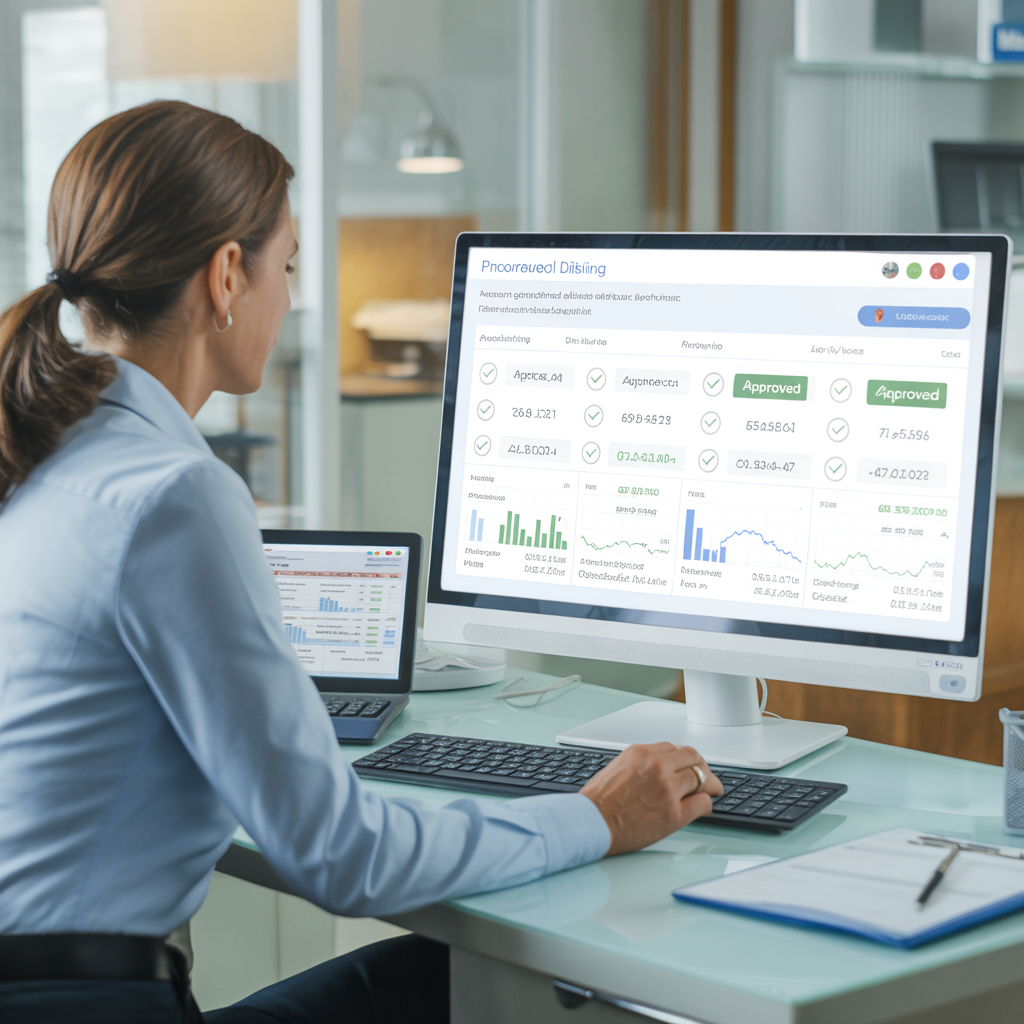
Dental insurance claim denials cost the average practice $50,000 to $120,000 in lost revenue annually. Your front desk spends 10-15 hours every week resubmitting denied claims, appealing rejections, and fighting for reimbursement that should have been approved the first time.
According to recent dental billing industry data, 15-20% of dental insurance claims are denied on first submission. Even worse, 67% of denied claims are never resubmitted—representing permanent revenue loss for your practice.
This comprehensive guide walks you through a proven system to reduce your claim denial rate by 60-80%, recover lost revenue, and free your staff from the endless cycle of resubmissions and appeals.
Want to see how automated verification can eliminate claim denials before they happen? Schedule a 30-minute demo to see how DentalAI Assist prevents denials through real-time insurance verification and automated eligibility checks.
Understanding the True Cost of Dental Claim Denials
Before implementing solutions, you need to understand exactly how much claim denials are costing your practice—and it’s far more than just the denied claim amount.
The Hidden Costs Beyond the Claim
When an insurance claim is denied, your practice incurs multiple costs:
Direct Revenue Loss:
The obvious cost is the denied reimbursement itself. A $300 crown claim denied means $300 in lost revenue—unless your team successfully resubmits and wins the appeal.
Administrative Labor Costs:
Each denied claim requires 30-45 minutes of staff time to research the denial reason, correct the claim, gather additional documentation, and resubmit. At $25-30/hour for billing staff, that’s $12-22 per denied claim just in labor.
Delayed Cash Flow:
Denied claims extend your accounts receivable cycle by 30-60 days on average. This delays cash flow and can create working capital challenges, especially for growing practices.
Patient Collection Issues:
When claims are denied, patient balances increase. Collecting from patients is significantly harder and more time-consuming than receiving insurance payments directly.
Staff Morale and Burnout:
Dealing with constant denials, appeals, and resubmissions is frustrating and demoralizing. High-performing billing coordinators leave practices that can’t get their denial rates under control.
Common Causes of Dental Claim Denials
Understanding why claims get denied is the first step to prevention:
Insurance Eligibility Issues (35% of denials):
- Patient coverage inactive or terminated
- Wrong insurance information on file
- Coordination of benefits errors
- Dependent age limits exceeded
Missing or Incorrect Information (25% of denials):
- Incomplete patient demographics
- Incorrect provider NPI or tax ID
- Missing subscriber information
- Wrong date of service
Coding and Documentation Errors (20% of denials):
- Incorrect or outdated CDT codes
- Missing or insufficient clinical documentation
- Medical necessity not established
- Procedure code doesn’t match diagnosis
Authorization and Pre-Determination Issues (15% of denials):
- Services requiring pre-authorization submitted without it
- Treatment exceeds frequency limitations
- Services not covered under patient’s plan
- Annual maximum benefits exhausted
Timely Filing Violations (5% of denials):
- Claims submitted past payer deadline (typically 90-180 days)
- Late submission due to internal processing delays
Step 1: Implement Front-End Insurance Verification
Preventing denials starts before treatment, not after claim submission. Front-end verification catches 80% of potential denial causes before they become problems.
Real-Time Eligibility Verification
Traditional practices verify insurance manually by calling payers—a time-consuming process that’s often skipped during busy periods. This is exactly when errors occur.
Modern Verification Process:
- Verify eligibility electronically at time of appointment scheduling
- Re-verify 24-48 hours before appointment (coverage can change)
- Check active coverage, deductibles, co-pays, and annual maximums
- Verify benefit coverage for planned procedures
- Confirm in-network vs. out-of-network status
What to Verify Every Time:
- Active Coverage: Is the policy currently active?
- Remaining Benefits: How much of annual maximum remains?
- Deductible Status: Has deductible been met?
- Coverage Percentage: What’s covered at what percentage?
- Frequency Limitations: When was last cleaning/exam/X-ray?
- Waiting Periods: Any services subject to waiting periods?
Pre-Authorization for Major Procedures
High-value procedures require pre-authorization to avoid devastating denials:
Always Pre-Authorize:
- Crowns and bridges over $500
- Root canals
- Periodontal surgery
- Orthodontic treatment
- Implants (though often not covered)
Pre-Authorization Best Practices:
- Submit pre-authorizations with full clinical documentation
- Include narrative explaining medical necessity
- Attach X-rays and photos when relevant
- Follow up within 7-10 days if no response
- Document approval in patient chart and PMS
Coordinate Benefits Correctly
Coordination of benefits (COB) errors are a leading cause of denials when patients have dual coverage:
COB Verification Checklist:
- Identify primary vs. secondary insurance
- Determine birthday rule (for dependents with dual coverage through parents)
- Verify both policies are active
- Submit to primary first, then secondary with primary EOB
- Document COB information in practice management system
Tired of manual insurance verification taking hours every day? Book a demo to see how DentalAI Assist automates real-time eligibility verification, pre-authorization tracking, and COB management—eliminating verification-related denials entirely.
Step 2: Improve Coding Accuracy and Documentation
Even with perfect insurance verification, claims get denied due to coding errors and insufficient documentation.
Common CDT Coding Mistakes
Most Frequent Coding Errors:
Using Outdated Codes:
CDT codes are updated annually. Using outdated codes results in automatic denials. Update your fee schedules and billing templates every January when new codes are released.
Incorrect Code for Procedure Performed:
Using D2740 (crown – porcelain/ceramic) when you placed D2750 (crown – porcelain fused to high noble metal) seems minor but triggers denials from payers who audit code accuracy.
Missing Modifier Codes:
Failing to use appropriate modifiers (like area of oral cavity or tooth number) causes claims processing delays and denials.
Unbundling Codes:
Billing separately for procedures that should be bundled (like scaling and root planing with local anesthesia) triggers fraud alerts and denials.
Documentation Requirements
Payers increasingly require clinical documentation to support claims, especially for periodontal treatment, crowns, and extractions.
Essential Documentation for Common Procedures:
Crowns (D2xxx):
- Clinical exam findings showing need (fracture, large restoration, decay)
- Radiographic evidence of tooth condition
- Narrative explaining why crown is necessary vs. alternative treatment
- Photos of tooth condition (when possible)
Periodontal Treatment (D4xxx):
- Full periodontal charting showing pocket depths ≥5mm
- Bone loss documentation via radiographs
- Bleeding on probing percentages
- Periodontal diagnosis (chronic periodontitis, aggressive periodontitis, etc.)
Extractions (D7xxx):
- Clinical reason for extraction (non-restorable, severe decay, periodontal disease)
- Radiographic evidence supporting extraction necessity
- Documentation of why other treatments aren’t viable
Medical Necessity Standards
Insurance companies deny claims they deem “not medically necessary.” Understanding payer-specific criteria prevents these denials:
Document Medical Necessity by:
- Using specific clinical language (not vague terms like “patient needs crown”)
- Referencing objective measurements (pocket depths, tooth mobility, fracture extent)
- Explaining why this treatment is necessary NOW (not cosmetic or elective)
- Citing clinical guidelines when applicable
- Providing photos and radiographs as supporting evidence
Step 3: Automate Claims Submission and Scrubbing
Manual claim submission introduces errors. Automation catches mistakes before submission and accelerates payment.
Electronic Claims vs. Paper Claims
If you’re still submitting paper claims, you’re losing money and time:
Electronic Claims Benefits:
- Faster Processing: 7-14 days vs. 30-45 days for paper
- Lower Error Rate: Automated validation catches errors before submission
- Instant Confirmation: Know immediately if claim was received
- Easier Tracking: Electronic audit trail of all claims
- Cost Savings: No printing, envelopes, postage
Paper Claims Disadvantages:
- Higher rejection rate (15-20% vs. 2-5% for electronic)
- Longer processing time
- No immediate confirmation of receipt
- Higher labor cost to print, stuff, mail
- Easier to lose or get delayed in mail
Claims Scrubbing Software
Claims scrubbing software analyzes claims before submission and flags errors that would cause denials:
What Claims Scrubbing Catches:
- Missing required fields (subscriber ID, date of service, provider NPI)
- Invalid insurance information
- Incorrect CDT codes or modifiers
- Duplicate claims
- Procedures exceeding frequency limitations
- Services not covered under patient’s plan
- Claims exceeding annual maximums
ROI of Claims Scrubbing:
Claims scrubbing software typically costs $100-300/month but prevents 5-10 denials weekly. At $35 cost per denial to rework, that’s $175-350/week in savings—paying for itself immediately.
Automated Error Detection
AI-powered systems like DentalAI Assist take scrubbing further by learning your payer-specific requirements and catching errors humans miss:
Advanced Error Detection Features:
- Payer-specific rule validation (each insurance has unique requirements)
- Real-time eligibility verification integrated with claim submission
- Historical denial pattern analysis (learns from past denials)
- Automated documentation attachment
- Smart routing to electronic vs. paper based on payer preference
Step 4: Create a Denial Management Workflow
Even with perfect prevention, some claims will be denied. An efficient denial management process ensures you recover this revenue.
Track and Categorize Every Denial
You can’t fix what you don’t measure. Implement systematic denial tracking:
Denial Tracking System Should Capture:
- Denial date and claim number
- Payer name and payer ID
- Patient name and account number
- Denial reason code
- Denial reason category (eligibility, coding, documentation, etc.)
- Claim amount
- Staff member who submitted claim
- Date resubmitted or appealed
- Final resolution (paid, denied, written off)
Monthly Denial Analysis:
Review denial data monthly to identify patterns:
- Which payers have highest denial rates?
- What are the top 5 denial reasons?
- Which staff members have higher denial rates?
- Are denials increasing or decreasing over time?
- What percentage of denials are successfully overturned?
Appeal Process Optimization
Appealing denied claims is time-consuming but necessary—67% of appeals are successful when done properly.
Effective Appeal Strategy:
Tier 1: Quick Fix Resubmissions (70% of denials):
Simple errors like missing information or incorrect codes. Fix and resubmit within 48 hours.
Tier 2: Documentation Appeals (20% of denials):
Denials due to “insufficient documentation” or “medical necessity.” Submit appeal letter with comprehensive clinical documentation, radiographs, photos, and narrative explanation.
Tier 3: Formal Appeals (10% of denials):
Denials of valid claims require formal written appeal with detailed argument referencing payer’s own policy language and ADA guidelines.
Appeal Letter Best Practices:
- Professional, factual tone (not emotional or accusatory)
- Reference specific policy provisions supporting coverage
- Include all supporting clinical documentation
- Cite ADA guidelines or clinical standards when applicable
- Clearly state desired outcome (full payment of $X)
- Set deadline for response (typically 30 days)
- Include direct contact information for follow-up
Root Cause Analysis
Prevention beats appeals every time. Conduct root cause analysis on recurring denials:
Example: High Denial Rate for Periodontal Treatment
Investigation reveals:
Hygienists aren’t documenting pocket depths in all quadrants. Payer requires full-mouth charting before approving SRP.
Solution:
Implement mandatory periodontal charting template in PMS. Train hygienists on documentation requirements. Problem solved—periodontal denials drop from 25% to 3%.
Spending too much time on denial management and appeals? Schedule a consultation to see how automated denial tracking, categorization, and appeal letter generation can reduce your denial management workload by 70%.
Step 5: Monitor Key Performance Indicators
Continuous improvement requires measuring the right metrics and holding your team accountable.
Essential Denial Metrics to Track
Primary KPIs:
Overall Denial Rate:
- Formula: (Denied Claims / Total Claims Submitted) × 100
- Industry Benchmark: 5-10% (best-in-class practices)
- Problem Indicator: >15% denial rate signals systemic issues
First-Pass Resolution Rate:
- Formula: (Claims Paid on First Submission / Total Claims) × 100
- Target: 85-95%
- Measures front-end verification and coding accuracy
Denial Recovery Rate:
- Formula: (Denied Claims Successfully Resubmitted/Appealed / Total Denials) × 100
- Target: 65-75%
- Measures effectiveness of denial management process
Average Days to Resolve Denials:
- Target: <21 days
- Measures efficiency of denial workflow
- Long resolution times indicate process bottlenecks
Denial Rate by Payer:
- Identifies problematic payers requiring special attention
- Helps prioritize payer-specific training
Denial Rate by Procedure Code:
- Identifies which services need better documentation
- Highlights coding accuracy issues
Establish Monthly Review Rhythms
Weekly Quick Check (15 minutes):
- Review current week’s denial rate
- Identify any unusual denial spikes
- Ensure all denials are assigned for follow-up
Monthly Deep Dive (60 minutes):
- Analyze denial trends by category
- Review top 10 denial reasons
- Identify staff training needs
- Celebrate wins (denials reduced, appeals won)
- Set goals for next month
Quarterly Business Review (90 minutes):
- Calculate total revenue recovered from denials
- Compare denial rates quarter-over-quarter
- ROI analysis of denial reduction initiatives
- Strategic planning for next quarter
Calculating Your Denial Reduction ROI
Understanding the financial impact of reducing claim denials helps justify investment in automation and improved processes.
Current State Analysis
Calculate Your Current Denial Cost:
Example Practice:
- Monthly production: $150,000
- Insurance percentage: 70% ($105,000)
- Denial rate: 18%
- Denied claims monthly: $18,900
- Recovery rate: 60%
- Permanent revenue loss: $7,560/month ($90,720/year)
Administrative Costs:
- Denied claims per month: ~63 claims (assuming $300 average)
- Time per denial: 35 minutes
- Total hours monthly: 37 hours
- Labor cost at $28/hour: $1,036/month ($12,432/year)
Total Annual Cost of Denials:
- Lost revenue: $90,720
- Labor costs: $12,432
- Total: $103,152/year
Post-Implementation Projection
After Implementing Automated Verification & Claims Scrubbing:
Improved Metrics:
- New denial rate: 6% (down from 18%)
- Denied claims monthly: $6,300 (down from $18,900)
- Recovery rate: 75% (improved from 60%)
- Permanent revenue loss: $1,575/month ($18,900/year)
Labor Savings:
- Denied claims per month: 21 (down from 63)
- Total hours monthly: 12 hours (down from 37)
- Labor cost: $336/month ($4,032/year)
Annual Revenue Previously Lost to Denials: $103,152
New Annual Cost of Denials: $22,932
Annual Savings: $80,220
Software Investment: $3,600-$6,000/year
Net Benefit: $74,220-$76,620/year
ROI: 1,237-2,128%
Payback Period: 2-3 weeks
Intangible Benefits
Beyond direct financial ROI, denial reduction delivers:
- Improved Cash Flow: Faster payment cycles mean better working capital
- Reduced Staff Stress: Less time on frustrating rework, more time on productive tasks
- Better Patient Experience: Fewer surprise bills, faster resolution of insurance issues
- Competitive Advantage: Efficient billing attracts better payer contracts
- Team Retention: Billing staff stay longer in practices with low denial rates
Want to calculate your practice’s specific denial cost and ROI? Use our free Claim Denial Cost Calculator or schedule a 30-minute ROI analysis to see your potential savings.
Common Implementation Challenges and Solutions
Challenge 1: “Our PMS doesn’t integrate with verification systems”
Solution: Modern cloud-based verification platforms integrate with all major PMS systems including Dentrix, Eaglesoft, Open Dental, and Curve. If your current PMS won’t integrate, it may be time to consider upgrading. The cost of a modern PMS is quickly offset by denial reduction savings.
Challenge 2: “Staff doesn’t have time for thorough verification”
Solution: This is exactly why automated verification is essential. Real-time automated verification takes 15 seconds vs. 8-10 minutes for manual phone verification. Your staff saves time while improving accuracy.
Challenge 3: “We can’t afford claims scrubbing software”
Solution: You can’t afford NOT to use it. Even one prevented denial per day ($300 claim) × 20 working days = $6,000/month saved. Claims scrubbing software costs $100-300/month. ROI is immediate and massive.
Challenge 4: “Different payers have different requirements—it’s impossible to track”
Solution: This is where AI-powered systems excel. They learn payer-specific requirements automatically and apply the correct rules for each insurance company. Manual tracking is indeed impossible—automation is the only viable solution.
Challenge 5: “Our denial rate is already low at 12%”
Solution: Best-in-class practices operate at 3-6% denial rates. You have significant opportunity for improvement. A practice with $1.5M annual production and 12% denial rate on 70% insurance is losing ~$60K annually vs. a practice at 5% denial rate.
Taking the First Step
Reducing claim denials doesn’t require a complete practice overhaul. Start with high-impact, low-effort improvements and build from there.
Your Week-One Action Plan
- Calculate Your Current Denial Rate (Day 1): Pull reports from your PMS showing claims submitted vs. denied for past 3 months. Calculate your denial percentage and annual cost using the formula above.
- Categorize Last Month’s Denials (Day 2-3): Review every denial from last month. Categorize by: eligibility issues, coding errors, missing documentation, authorization issues, or timely filing. This reveals your biggest opportunity areas.
- Implement One Quick Win (Day 4-5): Based on your top denial category, implement ONE improvement immediately. If eligibility is your problem, implement mandatory 24-hour advance verification. If coding is the issue, schedule CDT code training.
- Research Automation Solutions (Day 6-7): Demo 2-3 automated verification and claims scrubbing platforms. Compare features, pricing, and PMS integration. Calculate ROI based on your actual denial rate.
“We were losing $8,000-$12,000 monthly to claim denials—mostly eligibility issues we didn’t catch before treatment. I thought verification was happening, but staff was skipping it during busy times. After implementing automated real-time verification, our denial rate dropped from 19% to 4% in 90 days. We recovered $87,000 in the first year. The system paid for itself in 3 weeks.”
—Dr. Michael R., Multi-Location Practice Owner, Phoenix, AZ
Ready to Eliminate Claim Denials and Recover Lost Revenue?
DentalAI Assist provides comprehensive denial prevention through automated insurance verification, real-time eligibility checking, intelligent claims scrubbing, and denial management—all integrated with your existing practice management system.
Choose your next step:
- Calculate Your Denial Cost – See how much denials are costing you in 60 seconds
- Schedule a Personalized Demo – See the system prevent denials in real-time with your actual workflows
- Try Free for 30 Days – No credit card required, full access to all features
Book your 30-minute demo to:
- Analyze your current denial rate and identify top causes
- See real-time eligibility verification in action
- Watch automated claims scrubbing catch errors before submission
- Calculate your practice’s ROI based on actual denial data
- Get a custom implementation plan with timeline and expected results
Frequently Asked Questions
What’s a normal denial rate for dental practices?
Industry average is 10-15%, but best-in-class practices operate at 3-6% denial rates. If your denial rate exceeds 15%, you have significant opportunity for improvement and revenue recovery.
How long does it take to reduce our denial rate?
With automated verification and claims scrubbing, most practices see 40-60% reduction in denials within 30-60 days. Full optimization (reaching 3-6% denial rate) typically takes 90-120 days as staff learns new processes and you refine payer-specific workflows.
What if we don’t have staff dedicated to billing and insurance?
This is exactly why automation is critical for smaller practices. Automated systems handle verification, scrubbing, and denial tracking without requiring dedicated billing staff. The system does the work that would otherwise require hiring additional team members.
Will automated verification work with our practice management software?
Modern verification platforms integrate with all major PMS systems including Dentrix, Eaglesoft, Open Dental, Curve, Tab32, and CareStack. Integration is typically completed in 1-2 weeks with minimal disruption to your practice.
How much does automated verification and claims scrubbing cost?
Costs range from $200-500/month depending on practice size and claim volume. However, preventing just 2-3 denials per week ($600-900 in claim value) pays for the software. Most practices see 10-20x ROI within the first 90 days.
What happens to denied claims that can’t be recovered?
Unrecoverable denials become patient responsibility (if within their plan limitations) or are written off as bad debt. This is why prevention is so critical—67% of denied claims are never successfully resubmitted, representing permanent revenue loss.
Can we improve denial rates without buying new software?
Manual process improvements can reduce denials by 20-30%, but you’ll still have 10-12% denial rate due to human error in verification and coding. To reach best-in-class 3-6% rates, automation is necessary. The ROI justifies the investment within weeks.
How do we get staff to actually use new verification systems?
Make verification mandatory before treatment—build it into your PMS workflow so appointments can’t be checked in without verification. Automated systems make this easy because verification takes 15 seconds vs. 8-10 minutes manually. Staff will quickly prefer the automated method.
Which insurance companies have the highest denial rates?
Denial rates vary by payer and region, but Medicaid/Medicare typically have higher denial rates (18-25%) due to strict documentation requirements. Commercial payers range from 8-15% depending on their claims adjudication systems and policies.
What’s the difference between a denial and a rejection?
A rejection occurs when a claim is not accepted for processing (wrong format, missing required fields). A denial occurs after the claim is processed and payment is refused. Rejections are easier to fix—simply correct and resubmit. Denials require appeals with documentation.
Written by the team at DentalAI Assist | Learn more about our automated verification and claims management | Read more dental billing guides